
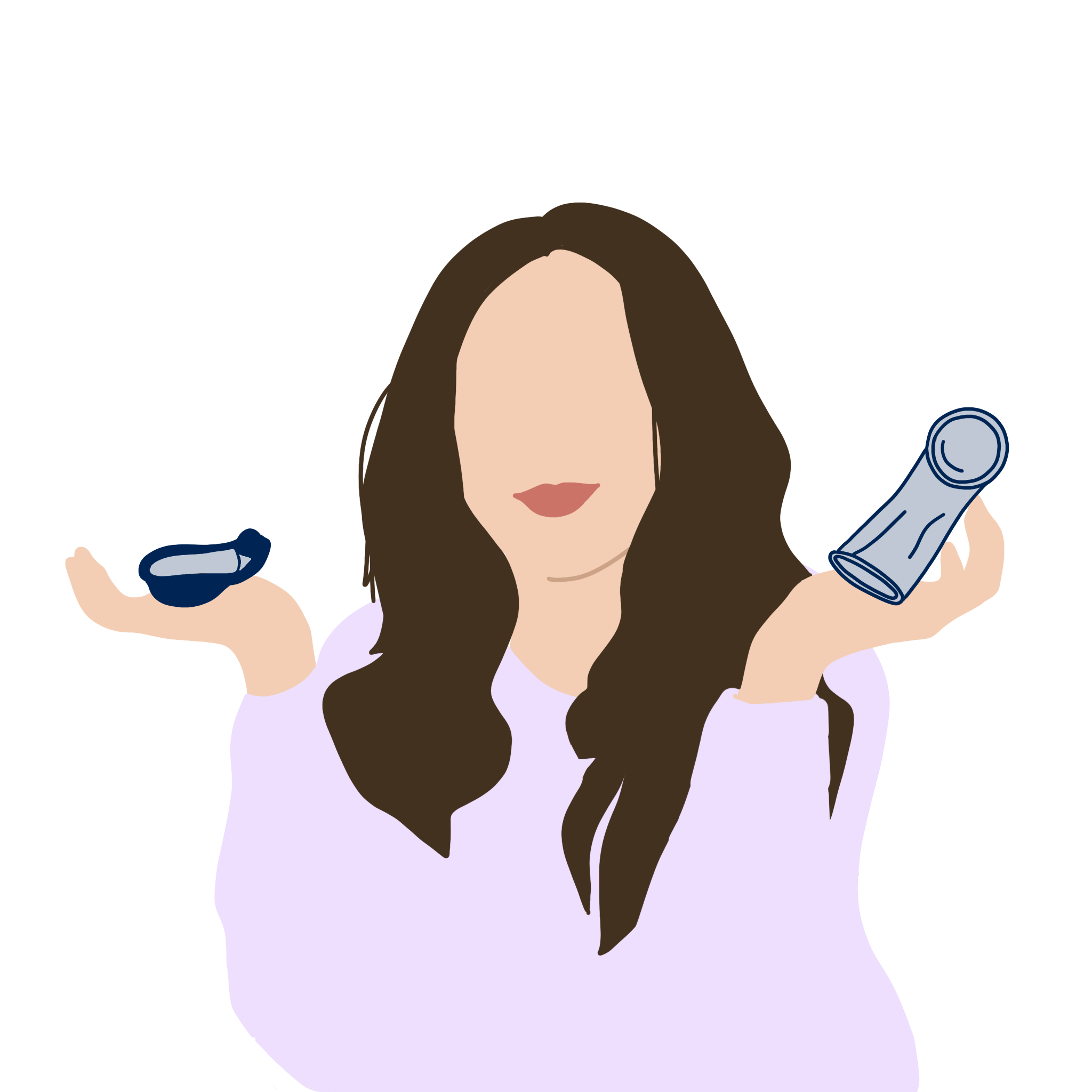
How Safe Are Hormone-Free Alternatives to the Pill?
In recent years, attitudes toward hormonal contraceptive methods have changed significantly. The pill has increasingly come under criticism, and many patients now seek safe, hormone-free alternativ...

How hormone-free contraception works with NFP: a checklist
A lot of women aren’t sure at first whether the symptothermal method, or NFP, is a suitable alternative to the pill for them. How reliable is it as a form of contraception? Do body symptoms have to...

Natural contraception using the symptothermal method
The symptothermal method is a scientifically recognized procedure for determining the fertile window. It combines daily basal body temperature measurement with observation of cervical mucus . Once ...

Introduction to the symptothermal method
Anyone looking for an alternative to hormonal contraception or who has a specific desire to have children should consider natural family planning (NFP). Natural family planning (NFP) is characteriz...

Contraception After Birth: What Mothers Need To Know
Contraception After Birth – What You Should Know Did you know that ovulation can occur before your first period after childbirth? This fact surprises many mothers and highlights the importance of a...

Female Sterilization: Procedure and Costs Overview
Are you considering a permanent contraceptive method and wondering if sterilization might be right for you? Female sterilization is a final step in family planning that should be carefully thought ...
Post-pill syndrome: Symptoms, causes and tips for coping
The birth control pill is one of the most widely used methods of contraception worldwide. It has given many women the opportunity to control their family planning. But what happens when women stop ...
Vasectomy in Men: A Comprehensive Overview
When it comes to contraception, most people first think of methods for women*, such as the pill or intrauterine devices (IUDs). However, there is also a permanent solution for men*: vasectomy. In t...
What Birth Control Pills Are Available?
It’s the summer of 1960, and in the United States a new medication enters the market—what we now know as “the pill.” Just a year later, the contraceptive also spreads to the German market—initially...
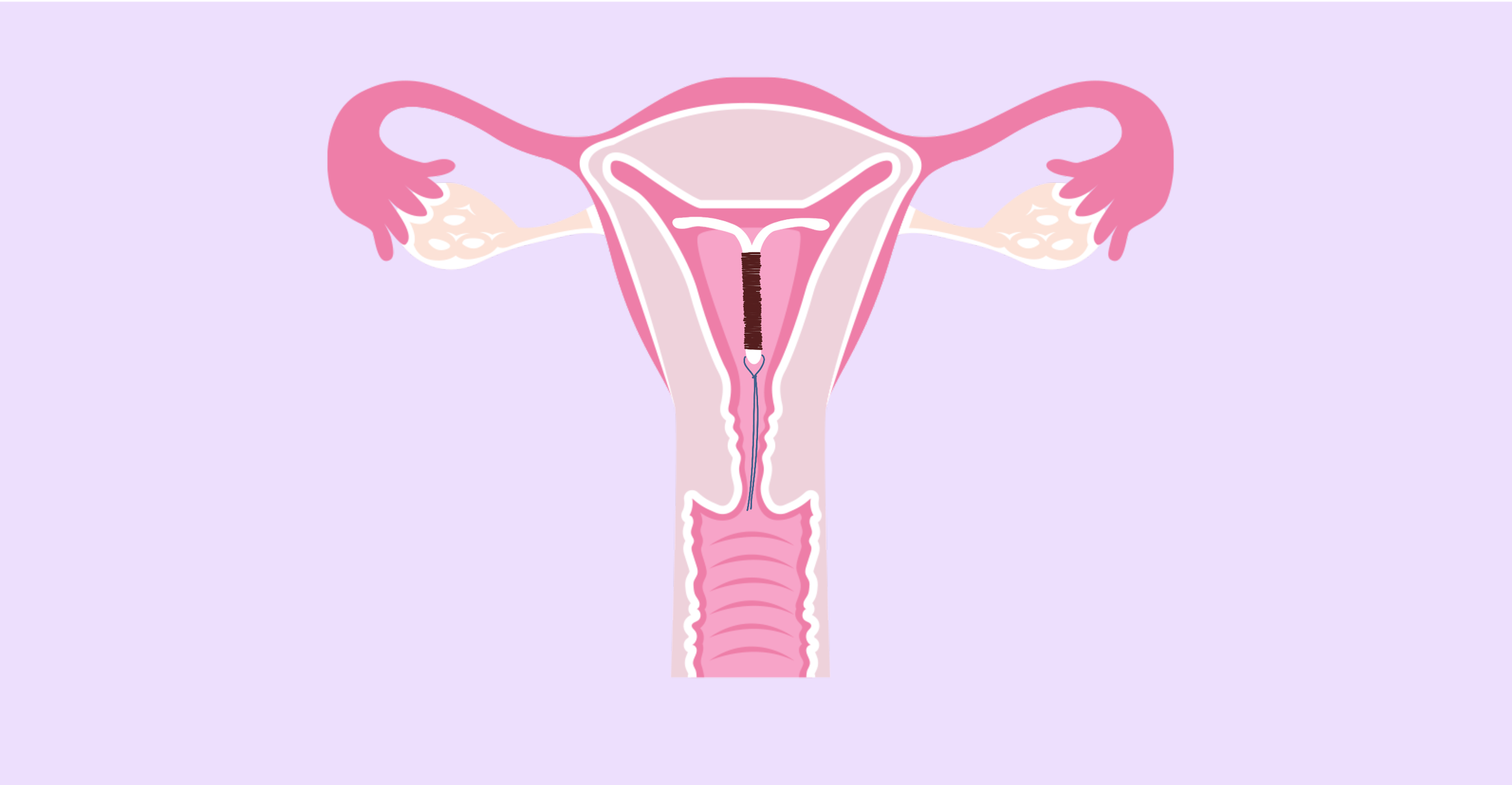
Contraception with the Copper IUD: The Advantages and Disadvantages
Anyone who has already looked into hormone-free contraceptives will likely be familiar with the copper IUD: it is one of the best-known methods that works entirely without hormones. Here we explain...

How to Read Your Temperature Curve
How can you calculate the timing of ovulation using your basal body temperature? And which factors influence your temperature? In this article, we explain how to interpret your temperature curve an...

Hair loss and acne after stopping the pill
Stopping the pill isn't always easy and is often accompanied by physical discomfort, which is usually noticeable externally. Many women's main concerns are acne and hair loss. But there are many re...
Stop taking the pill: What happens in your body when you stop taking the pill
Although it is one of the safest contraceptives, more and more women are having doubts about the pill. The list of side effects is long, and recent studies show increasingly clear evidence of links...
Period, spotting, breakthrough bleeding - what's the difference?
Menstruation occurs due to the buildup of the uterine lining, which is intended to prepare it for fertilization. If the mature egg is not fertilized, the uterine lining is shed through menstruatio...