

The Rules of the Symptothermal Method at a Glance
Every cycle is different, and in order to ensure the reliability of the symptothermal method, certain rules must be followed. This may seem complicated at first, which is why the Ovy App automatica...
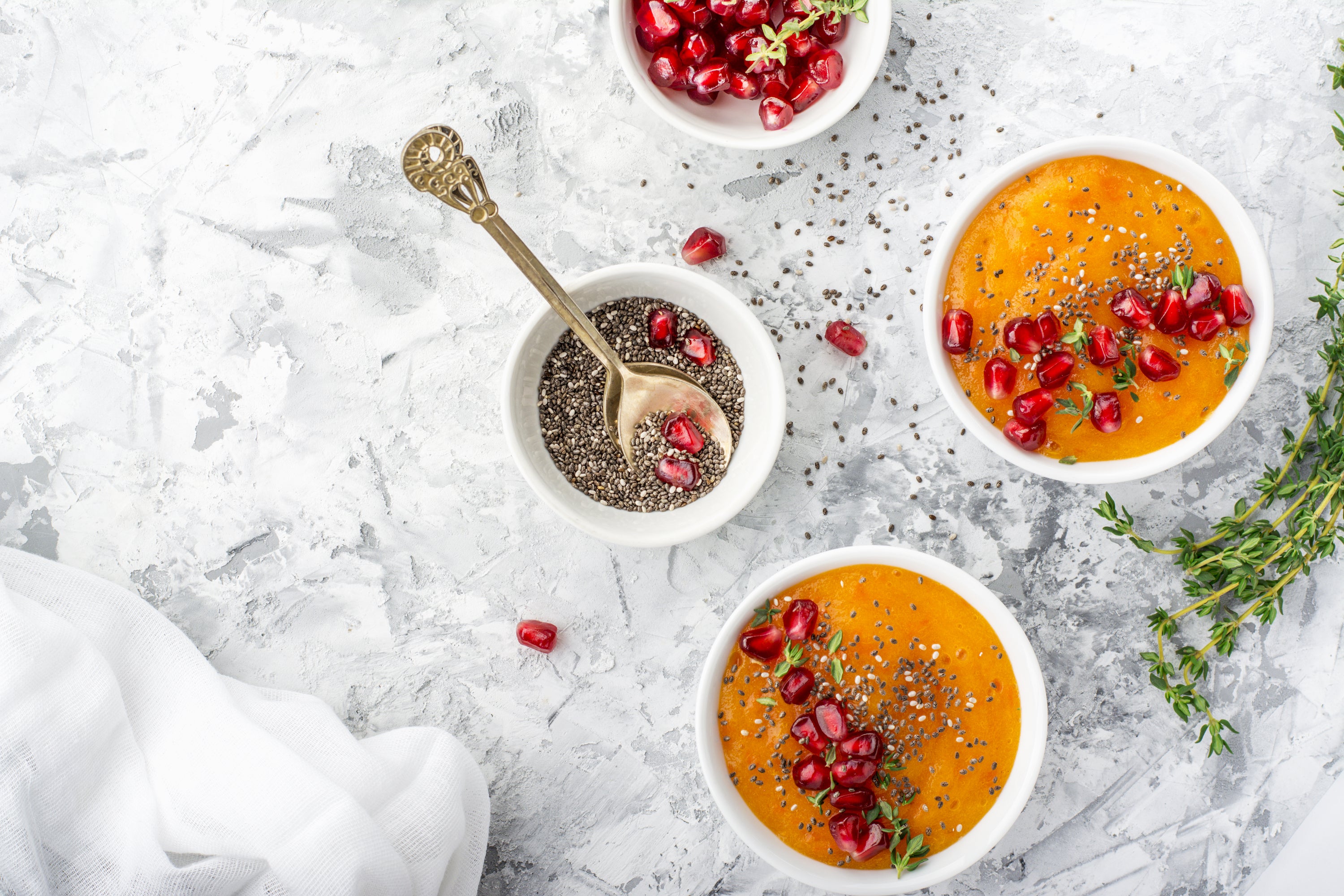
Nutrition during the various cycle phases
Nutrition has a huge impact on the cycle and vice versa. This is because, depending on the phase of the cycle, the body has different needs. The right choice of food can have a positive influence o...

Evaluating cervical mucus – how it works
For many decades, the symptothermal method, i.e. the evaluation of at least two body signals, has been used by women* to track their cycle and when they want to have children. In addition to measu...
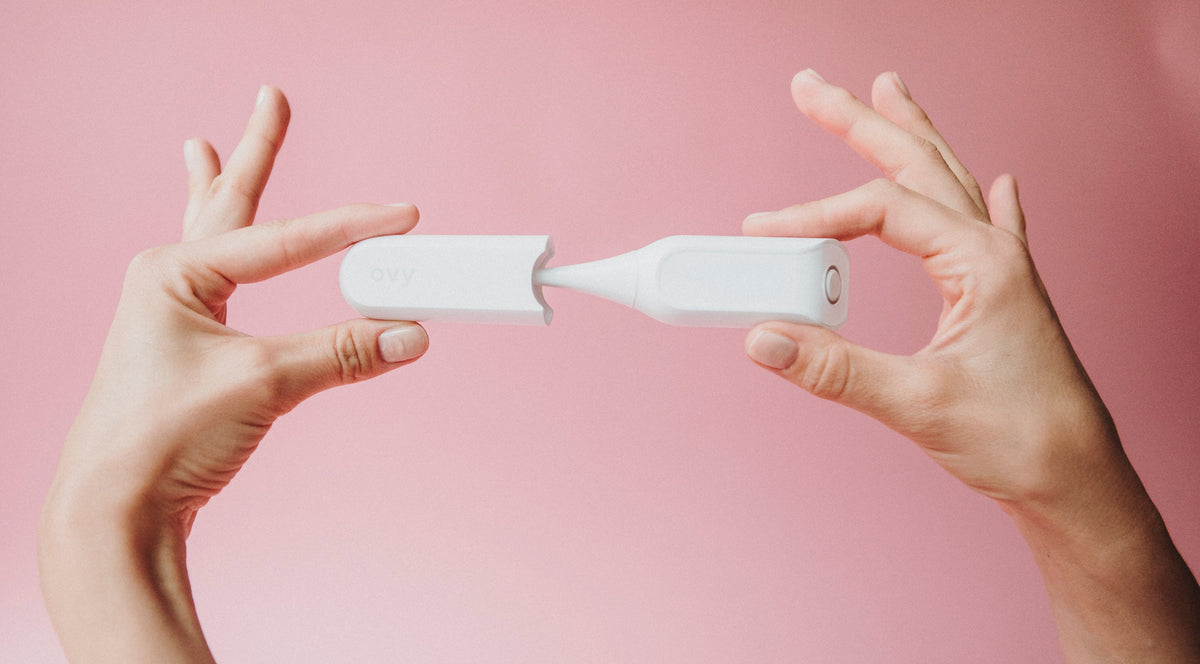
Basal body temperature: important tips for measuring correctly
What exactly does the basal body temperature have to do with the days when you are fertile? How do you measure it and what does “basal” even mean? Here are the answers: What actually is the basal...

Farewell cocktail of hormones! That’s what happens in your body when you stop the pill.
According to recent trends, more and more women want to track their cycle naturally and are deciding against the daily dose of hormones. However, that is easier said than done. For many women,...